
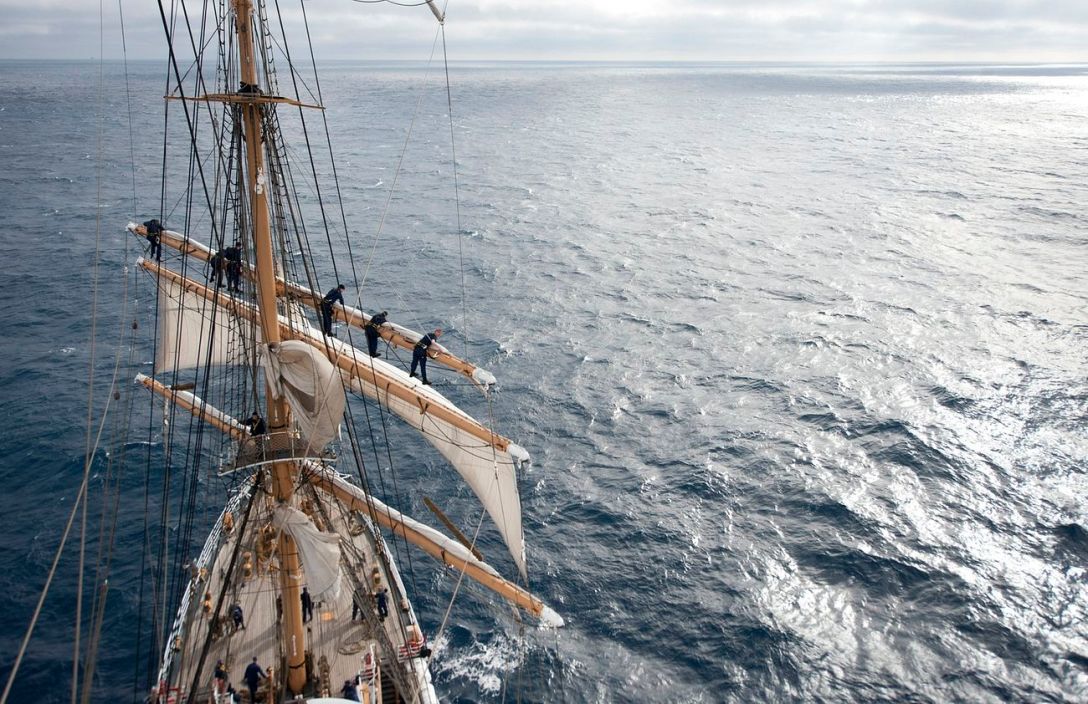
Here in the Northern Hemisphere Summer is just beginning to hint that it may end someday. It’s not that the days are less hot and uncomfortable, it is that the day ends a minute or so sooner. It is difficult to be outside and active. Things have slowed to a listless pace. My small American city shares a latitude, more or less, with Tripoli and Baghdad. It is meant to be hot. The winds have calmed, and we drift without direction.
Sometimes we reach this sort of state in our collecting lives. One phase or obsession has ended, and another has not yet begun. Recently I purchased two watches that I have been chasing for a while. One was new, so the chase just involved getting out a credit card. The other was vintage, the Gruen Pan American that I have written about. I don’t have grails or “exit” watches. I have current obsessions or “crushes”. I am now without a fixed goal or pretty thing to think about.
Sometimes this can be a place of freedom. We are off of the wheel that makes us compulsively read reviews and watch videos. A feeling like contentment, but not quite, can begin to color our thoughts.
I am no longer searching under rocks for every forgotten American watch brand. Most were forgotten for good reason. I don’t require a Clinton, Lathin, Gotham, or Westfield. I may also have bought my last piece of Soviet nostalgia. Old Soviet watches are rugged and curiously designed. Ultimately however, they suffer in comparison to their Swiss and Japanese competitors in terms of overall quality. Some economic systems are not designed to aim high, only towards the middle.

Where then to drift? Recently my watch searches have wandered to the Swinging Sixties, specifically in France. Perhaps, it was the recent passing of fashion icon Jane Birkin, the British-born ingenue who rose to modelling and acting fame in France. I don’t have much appreciation for her partner Serge Gainsbourg, but one of my guilty pleasures has always been the sweet innocence of the first albums of Francoise Hardy.

The French wristwatch industry began in the late 1940’s, when Europe was a smoldering mess. Clustered near the Swiss border companies like Selhor, Yema, and Mortima began to put out watches that were meant for domestic consumption. France has a long horological history, but its golden era was the age of carriage clocks. My pet theory is that Switzerland, especially from the 19th Century onward, acted as a sort of horology sun, its gravity pulling in talent from all over Europe, even the American who founded IWC. There is also the history of labor strikes in French industry. Labor strikes in some countries involve work stoppages and picket lines. When it happened to Lip there were hostages taken.

(Post war France, home of Selhor. What a difference 80 years can make.)
The diver as a distinct watch type was relatively new in the 1960’s. The screw down crown was not yet the industry standard and companies experimented with cases and cork to achieve water-tightness. This was the era of the skin diver, a watch for water fun, but not a commercial diver. No country embraced the skin diver like France. Suddenly, the market was filled with a fun new type of sports watch.
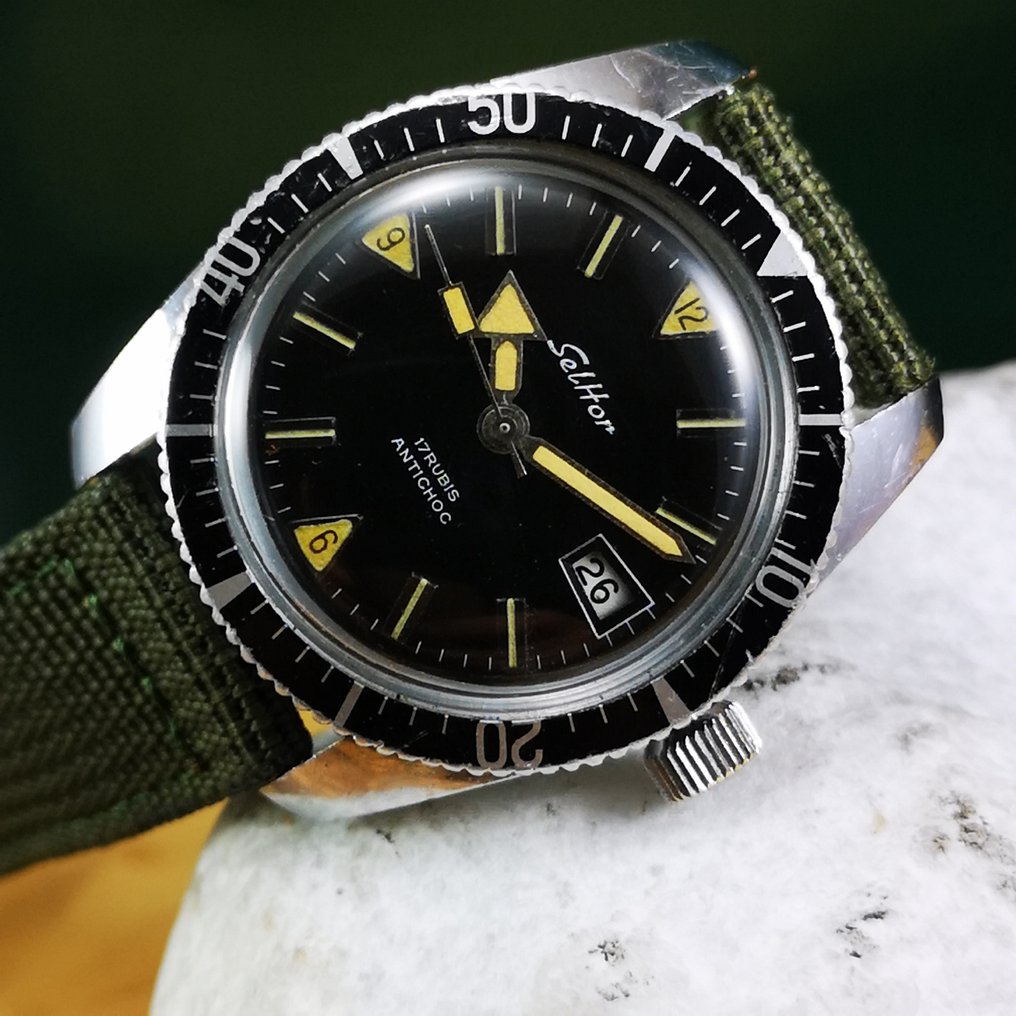
My idle mind has turned to French skin divers. The internet tells me (in French) that a late 60’s skin diver is on its way to me by “La Poste”. I am every bit as good-looking as Serge Gainsbourg, if only a fraction as talented. Perhaps, a long haired ingenue will want to have me explain the fractured history of labor strife in the French watch industry while I wear a period correct time piece. I doubt it, but we can always daydream. That’s part of the lure of watches anyway.


 The Escapement Room