

I got an amazing box of goodies from the watchmaker today. He was cleaning out a shelf and found some boxes. One was a former mouse colony, which he put on a street corner and ran away from. The box disappeared when he returned the next day, likely being taken by a homeless person. I still wonder what was inside. He kept three boxes for me. One is a wooden box with a German staking set. I still need to clean some of the rust off of it before I can use it. The other two boxes are large cardboard boxes. One contains the remains of a cuckoo clock among other bits of movements. The other is far more interesting. In it was a heap of tools, most of which were Bergeon stuff. All of the tools need a bit of love and rust remover, but that will have to come some other time.
In that box was also something really special. I will not disclose what it is just yet, but I’ll say that it is something that, if I can get it going, will bring me (and hopefully other enthusiasts) immense joy.
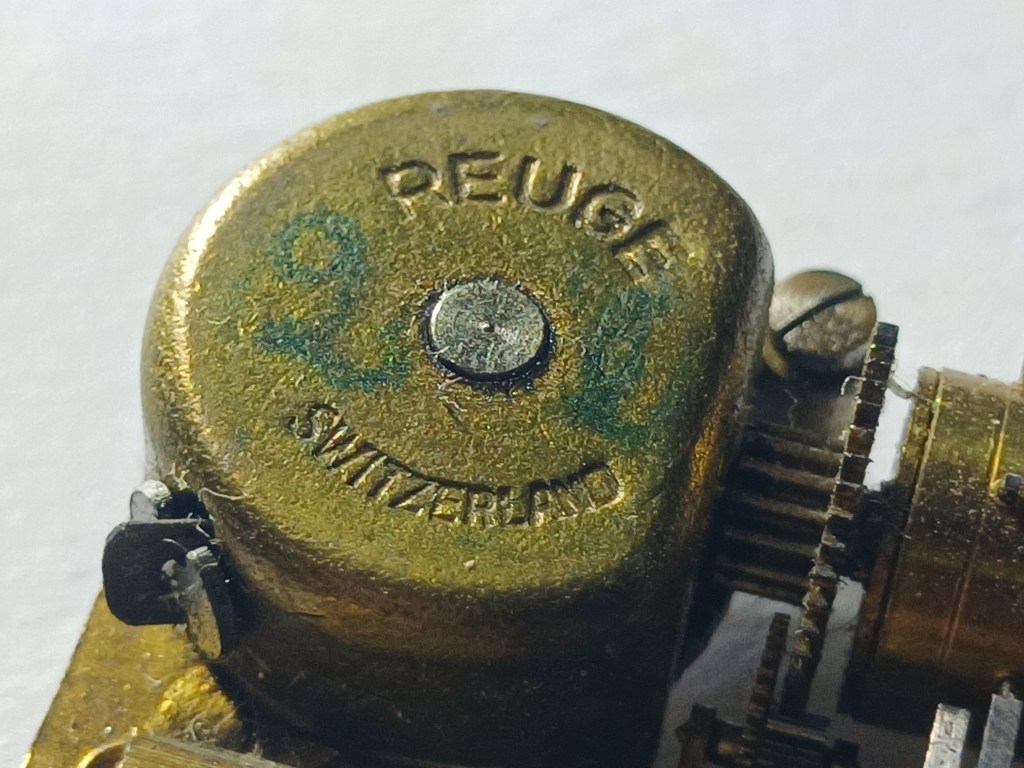

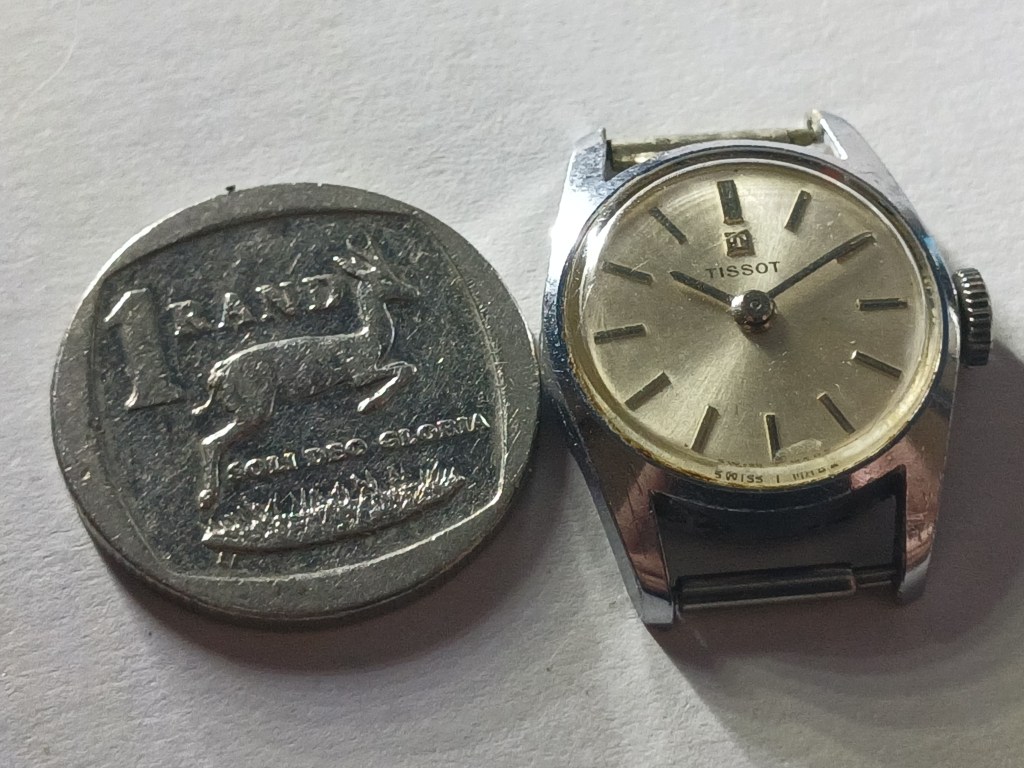
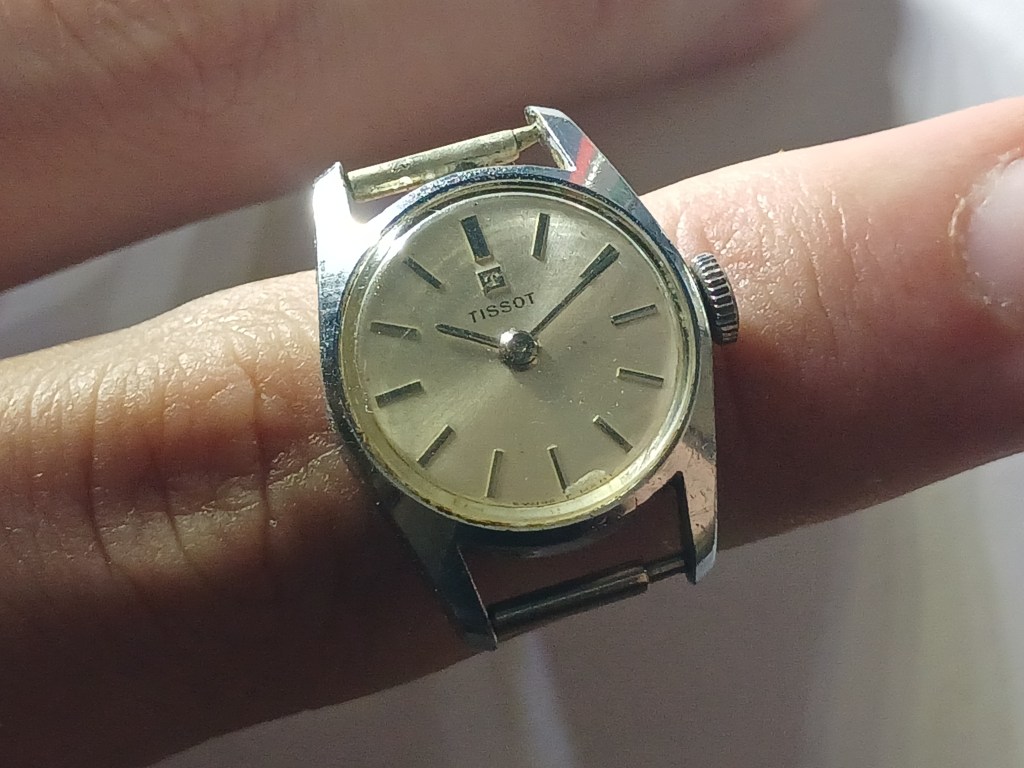
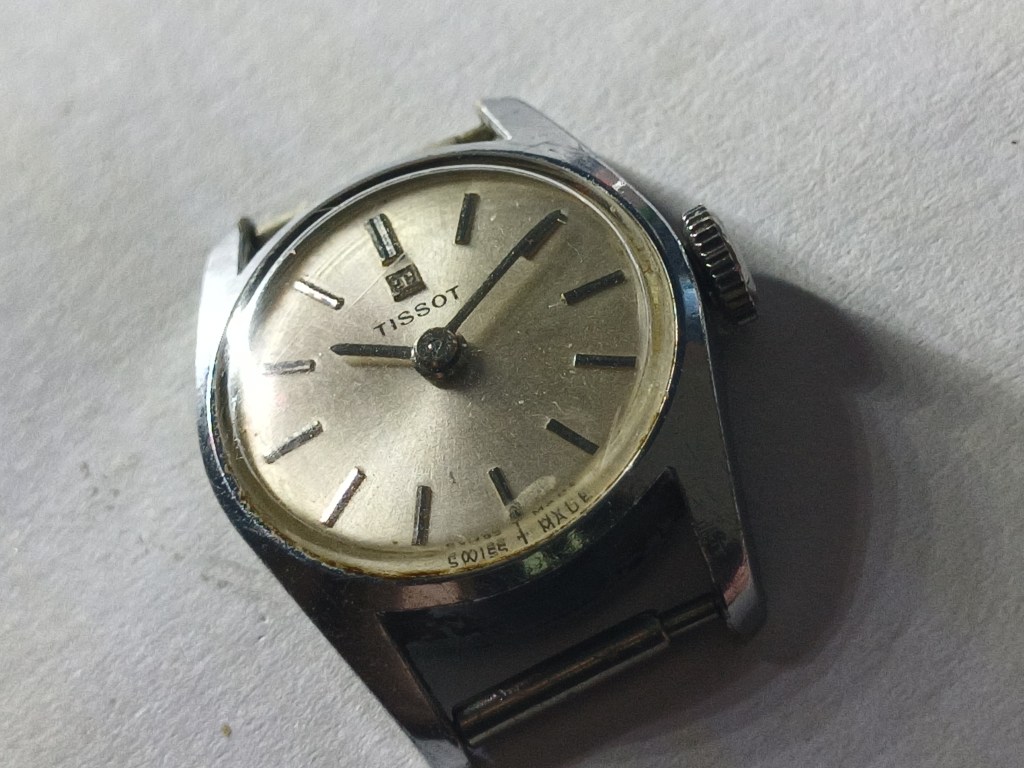
The focus of today’s post is a lovely Tissot watch. It is a ladies watch with the Tissot calibre 709 dated to 1964. The only thing exceptional about it is it’s size: 18mm including the crown. I decided to test myself and service it. I now understand why watchmakers retire. In a way, I imagine the way I felt to be much like a watchmaker sixty years of age would feel when working on a regular movement. In other words, I couldn’t see bugger-all.
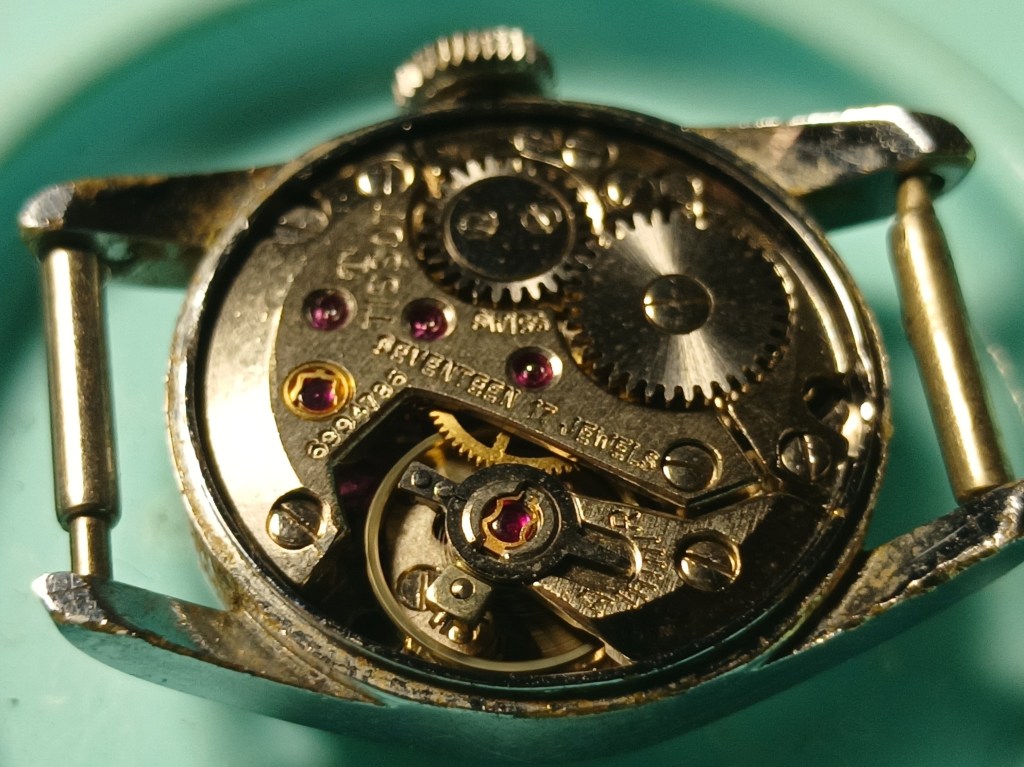

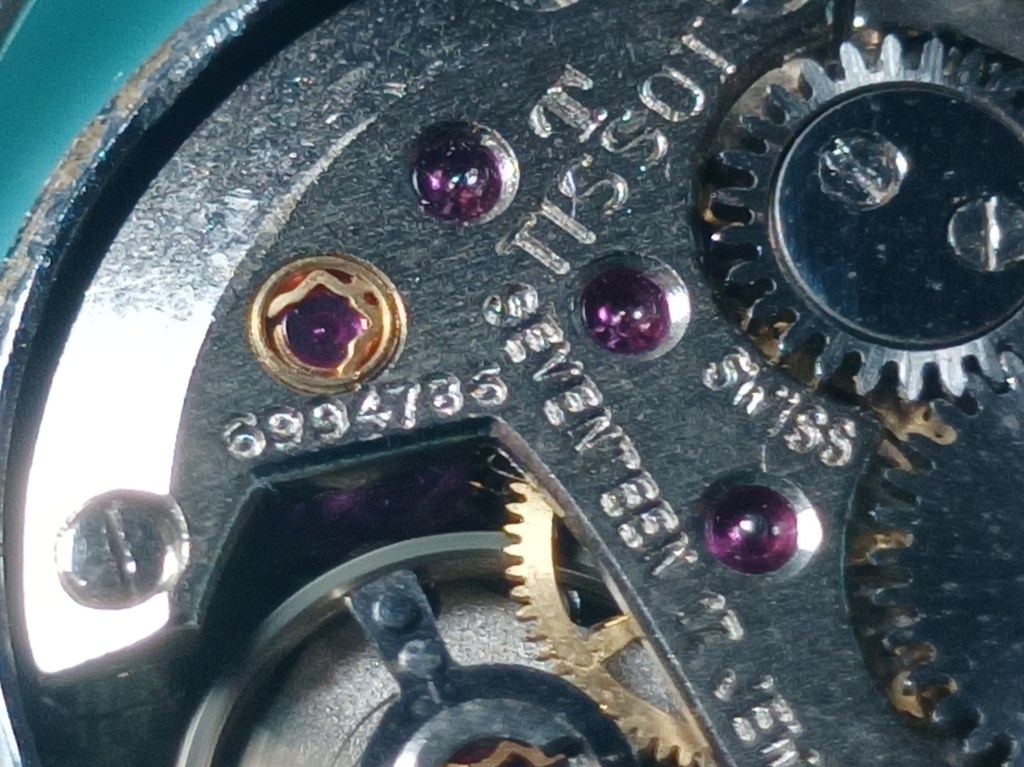
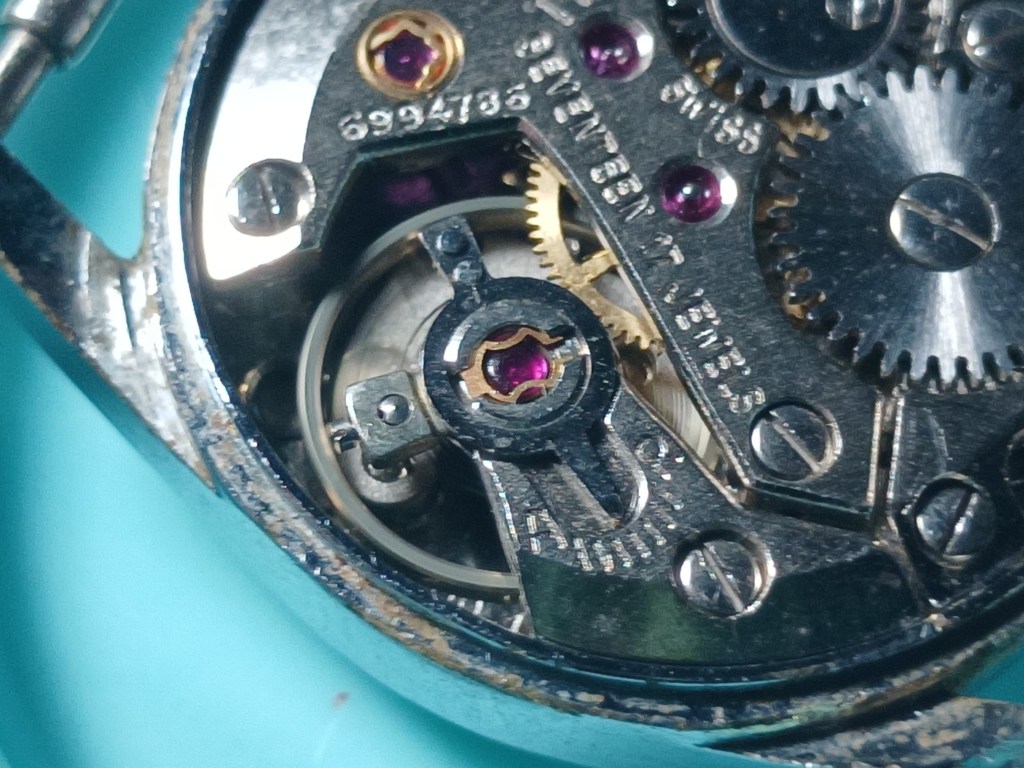
The 709 is, like most cocktail watch movements, a standard Swiss lever movement that has been left in the tumble drier. It’s amazing to see how cleverly engineered everything has to be in order to get all the parts to fit inside. It’s not however, amazing to service it. This was the first time I actually needed a loupe to complete the service. Oiling it is a nightmare as even the fine oiler will deposit too much if you’re not careful. My movement is probably over-oiled.
It was a little temperamental after the service, stopping as soon as the case clamps were inserted. I later found one of the clamps to be fouling the train of wheels. I quite like this watch, as it looks very similar to the Tissot Seastars of the day. I’d love to give it to my aunt who has helped me tremendously by buying some stuff from eBay on my behalf. I can’t wait to find a 9mm strap for it…
I’m not done with small watches just yet. Another post is on the horizon.

 The Escapement Room