
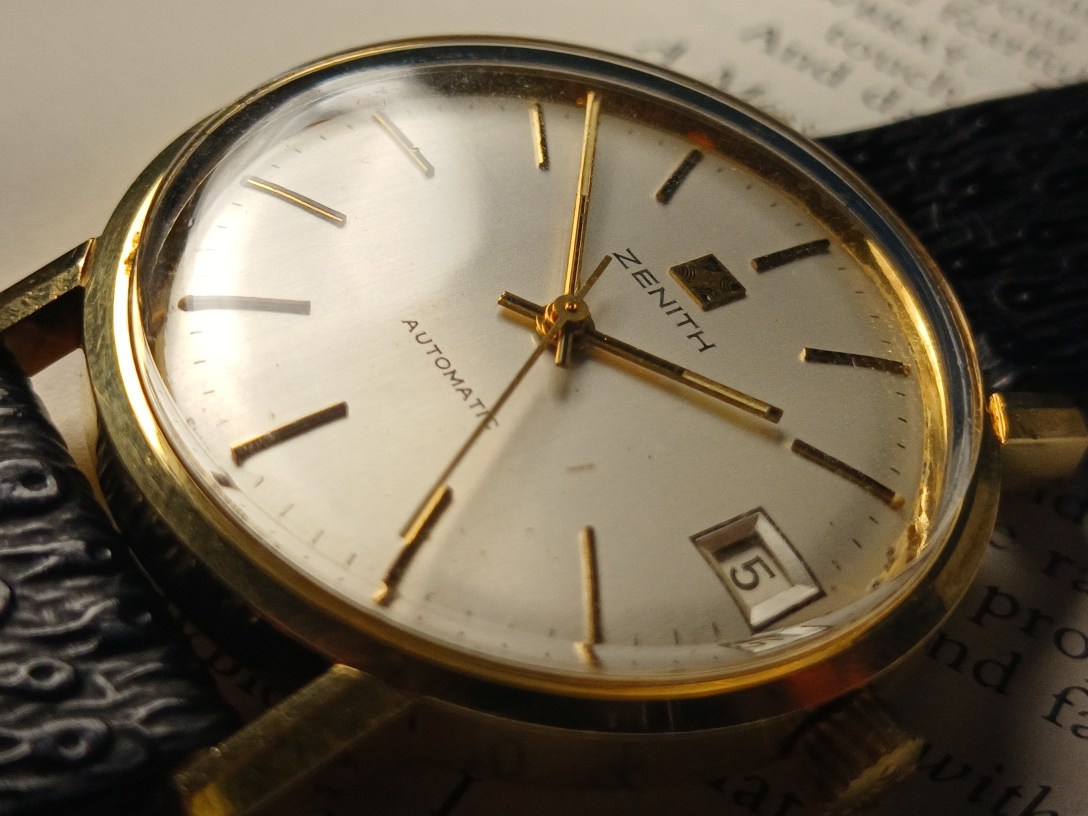
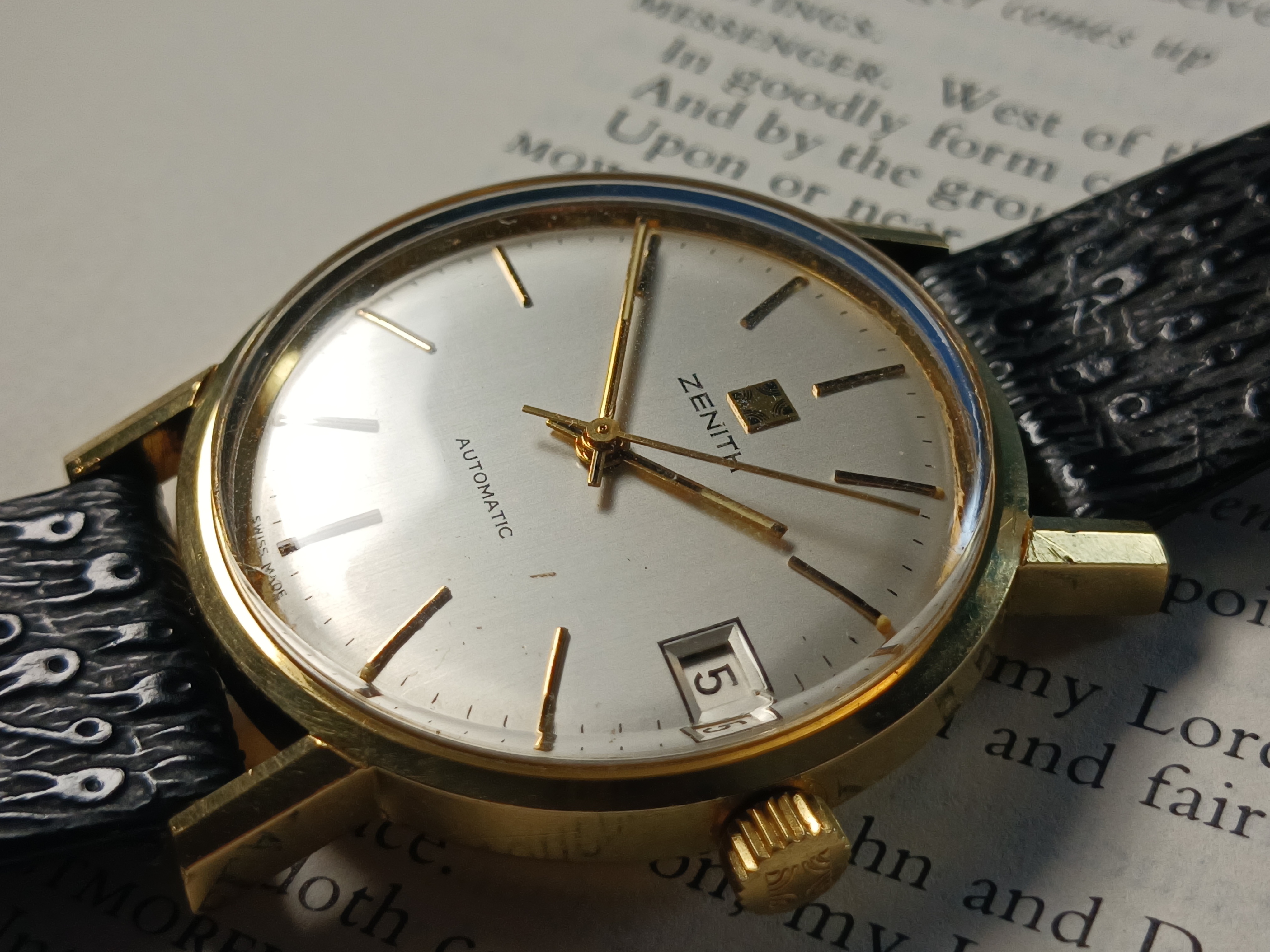
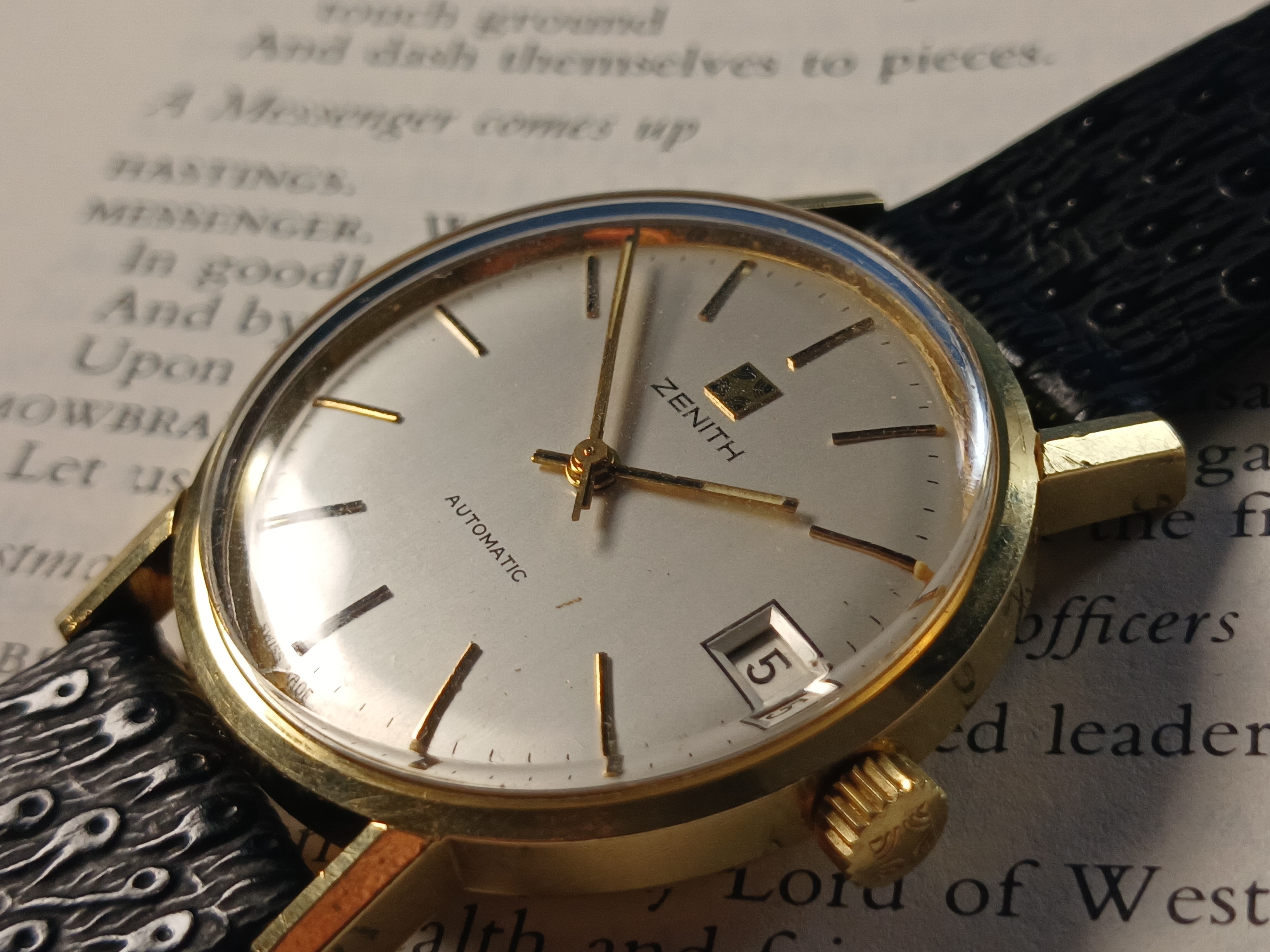
This isn’t my first rodeo. I’ve worked on other people’s watches before, namely two Citizens among others from a professor at North-West University, a Tissot Navigator dive watch and a Tissot PR 516 with an ESA electronic movement from my watchmaker. I’ve spoken about all of those with varying degrees of detail. Some projects just aren’t that suitable for a blog post. As much as I loved polishing and servicing the professor’s Citizen Eagle 7, there’s little more substance than some before and after pictures. Describing a Miyota 8200A being serviced would make for a more boring post than that post I made about mayonnaise a while back. Well, something came in my father’s hands when he got back from work: a stunning gold Zenith.

I’m partial to vintage gold Zeniths and Omegas, because they were the watches I saw on the wrist of my watchmaker right when I started repairing watches. They became “grails” to me. Besides being of a style that I like and being made very well, there’s that emotional attachment that really makes me love watches like this.
The gold Zenith I got was from a co-worker of my father. A conversation must have sprung up from the Nivada watch I gave him for father’s day. It ran well and needed no mechanical attention, just a new strap and a bit of a buff.
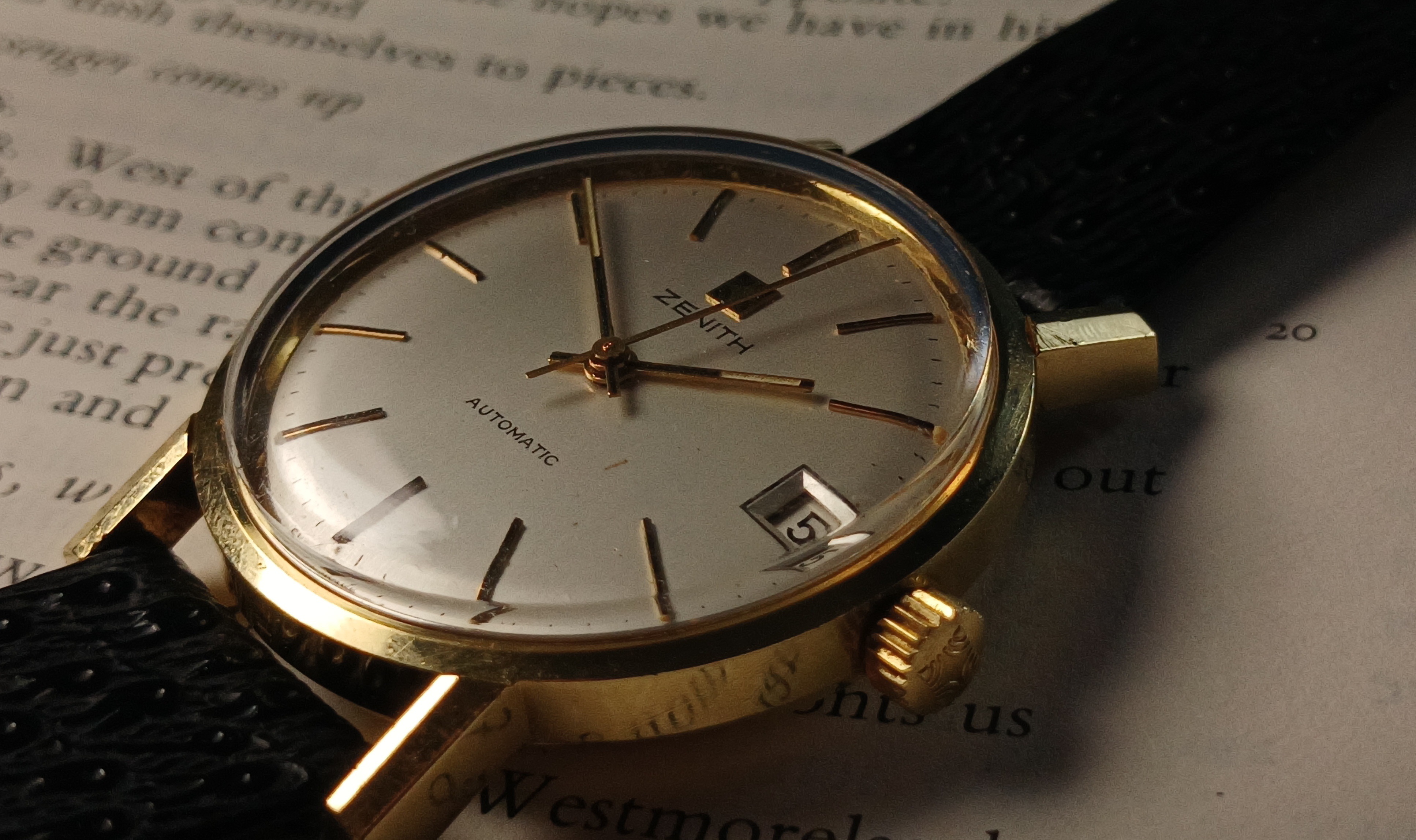
The case is solid 18ct gold. In some spots, it has the characteristic patina that looks almost like burn marks where the zinc, copper, nickel, etc. in the gold have oxidised slightly. I would never polish that out. That was until I cleaned the case with soapy water… then the patina disappeared. It must have been very light to just vanish under the abrasion of a soft brush. Oh well, I hit it with some Silvo to liven it up. When I spoke to the customer, he preferred me giving it a more in-depth polish. I went ahead and polished it with Silvo on a Dremel buffing wheel. It’s not aggressive, but, seeing as the customer left the intensity of polishing up to me, it’s how I would have done it if the watch was mine.
The case is a “front-loader” (maybe “monocoque” is a better term) which means that accessing the movement requires the crystal to be removed. I don’t have the tool to do that and doing so even with the proper tool risks the dial being damaged horribly if the crystal happens to snap. If it ain’t broken, don’t fix it. The movement is odd. I obviously can’t see it, so positively identifying it requires a lot of digging. It’s a high-beat automatic. I had previously erroneously believed that it was a bumper automatic judging from the sound and feel of the watch in my hand. After chatting with my watchmaker, it turns out that it is a standard rotor automatic. The strange feeling is likely due to the watch being fully wound or something.
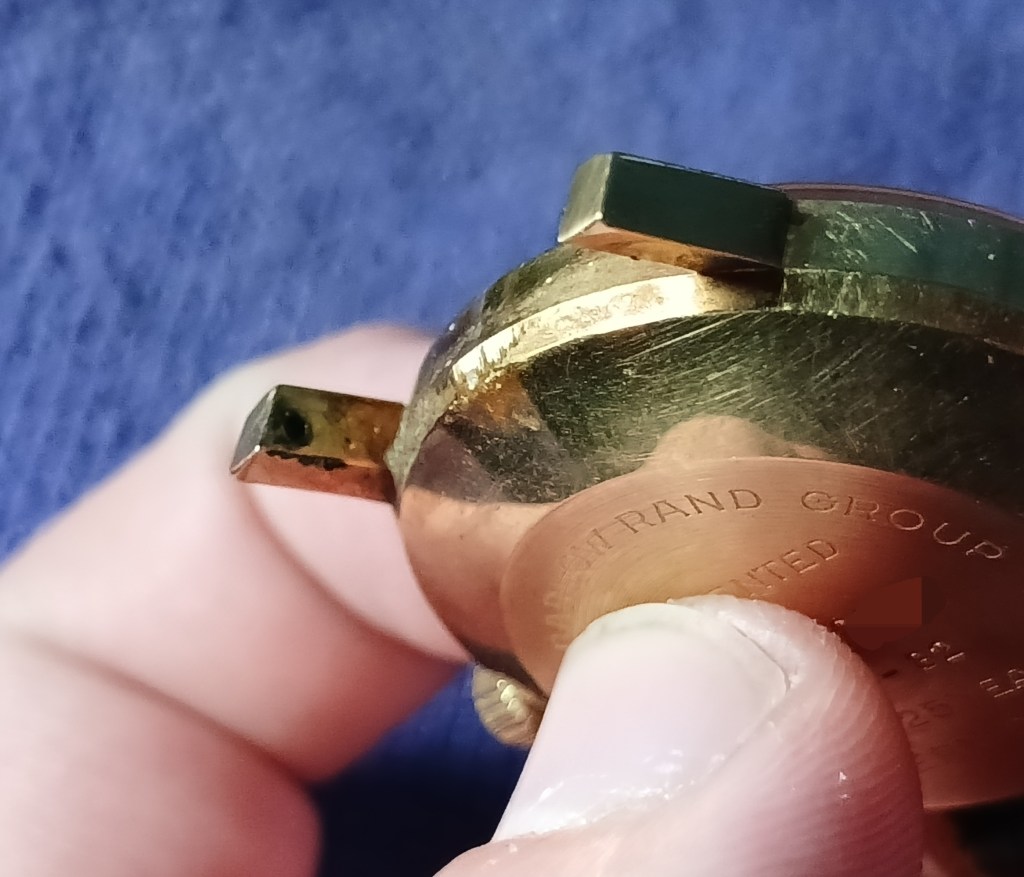


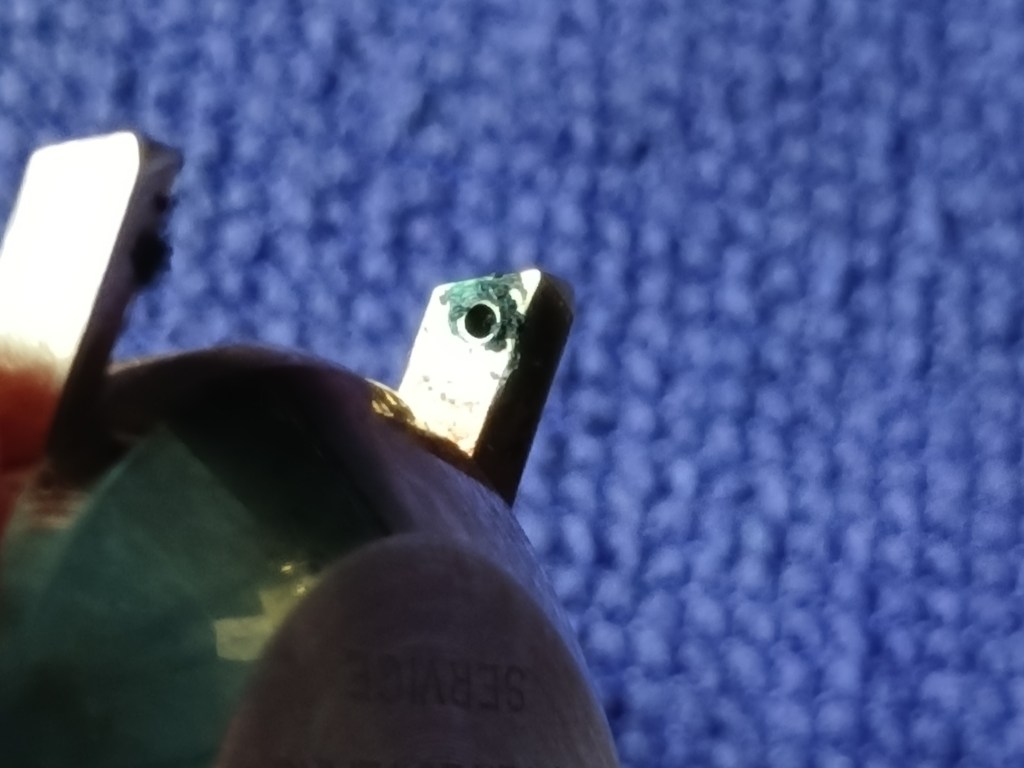

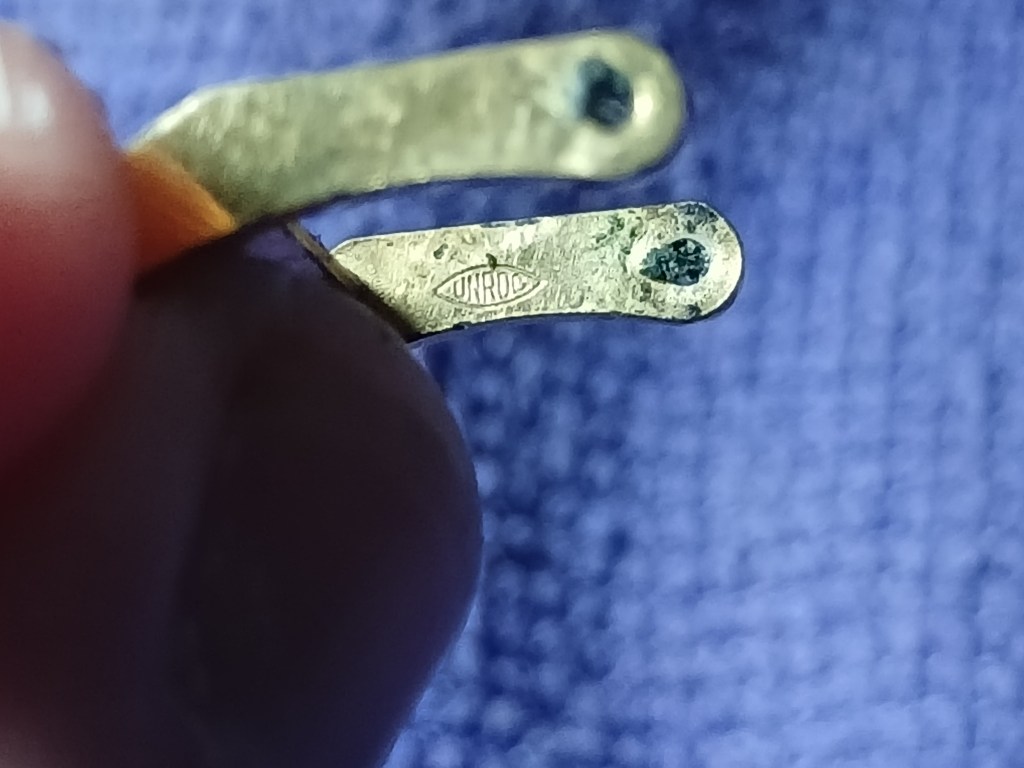

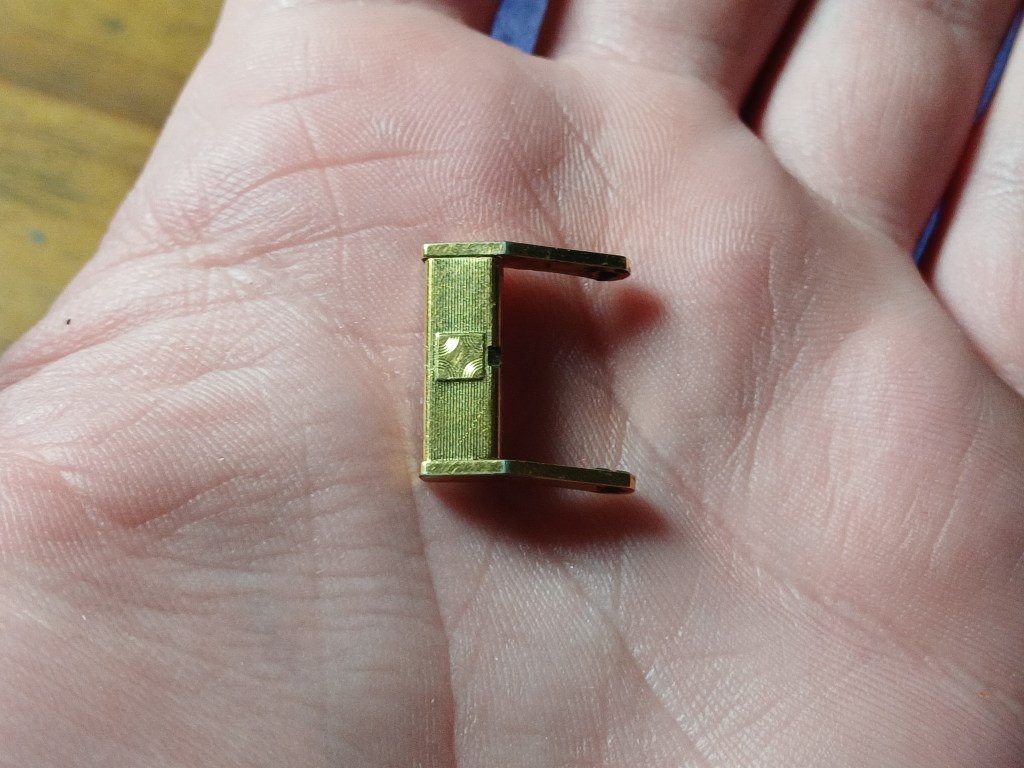
The owner originally thought that the buckle of the watch was solid gold. Upon dissecting the strap (still the original one from ’82) for cleaning, I discovered that that wasn’t the case. He wanted the original buckle to be transferred to a new strap, because, well, gold, but even though it isn’t solid gold, I’ll still tranfer it because of the nice Zenith logo incorporated into the design. I was already preparing to recommend a Morellato strap much like mine (except in black) when I noticed an anomaly. The taper on the original Zenith strap is 18mm to 14mm. The taper of every single 18mm strap I own or is readily available to me is 18mm to 16mm. I was prepared to whip out my razor blade and vernier to conduct a surgery, before my watchmaker saved my skin again and happened to have some straps with the right taper in stock.
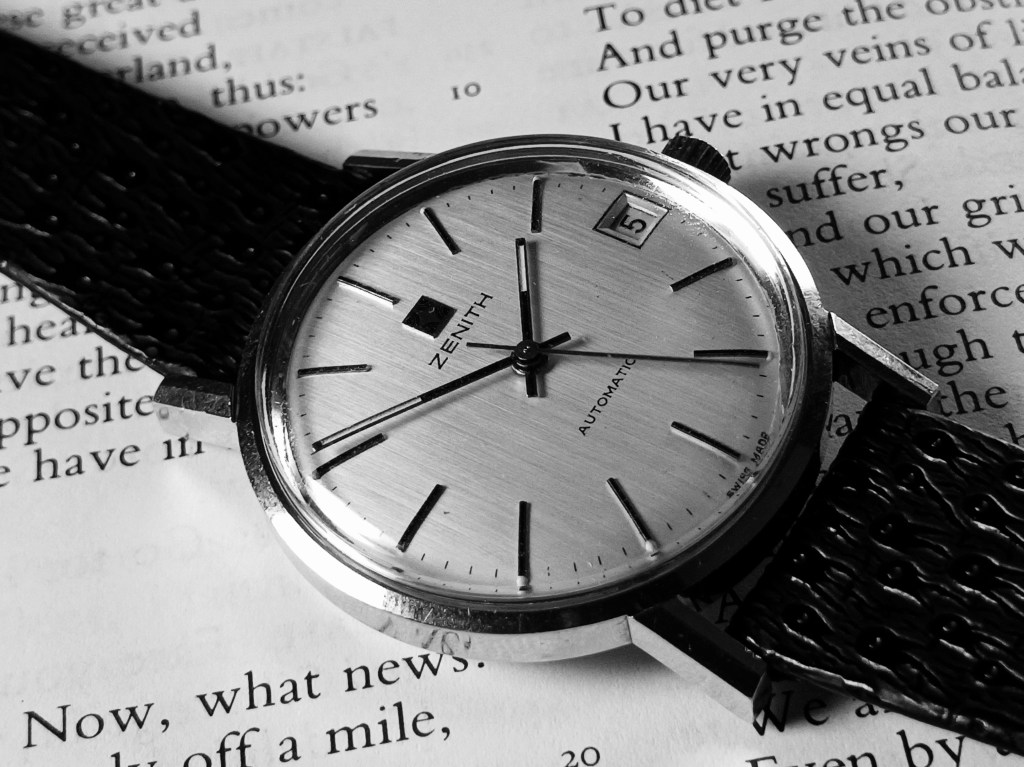
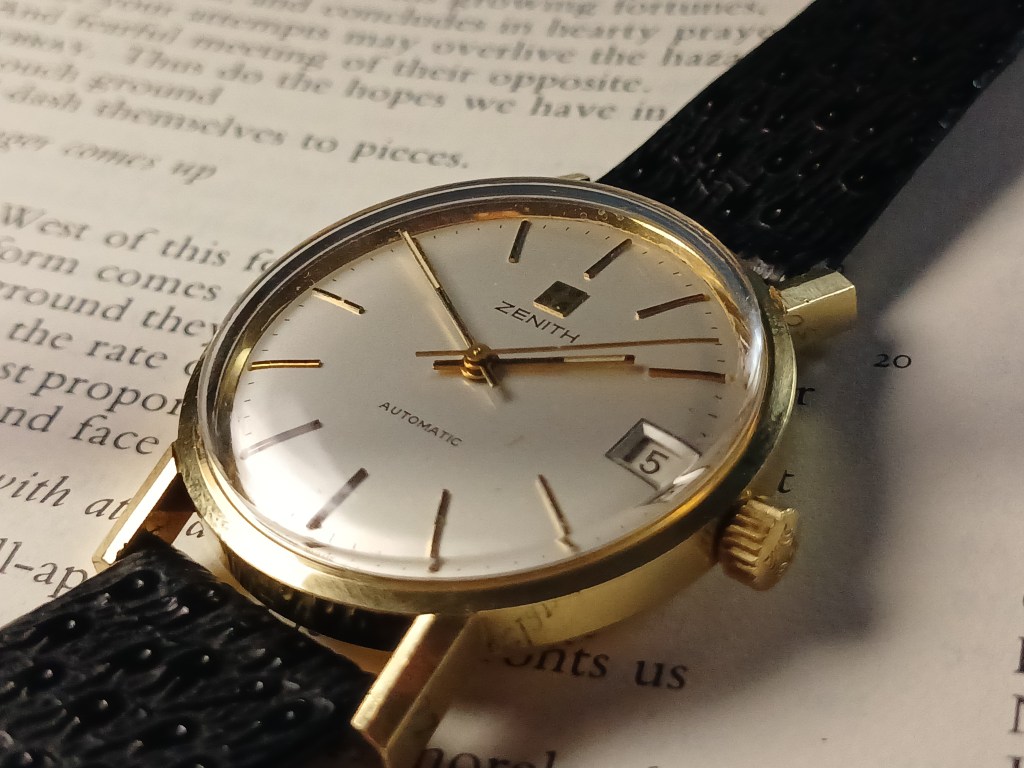
Working on this Zenith is a huge thing for me. Being trusted with a watch that is not only very valuable in terms of price, but also sentimentality, is a great honour. I don’t wear customer’s watches unless I do mechanical work on them, as wearing is the best way of testing a watch. Even when I do that, I only do it in the confines of my home for a day or two. I might give the Zenith just half an hour. Wearing another man’s watch feels wrong, like you’re kissing his wife in front of him. I’m testing the clarity of the crystal after polishing, definitely not living out a dream…
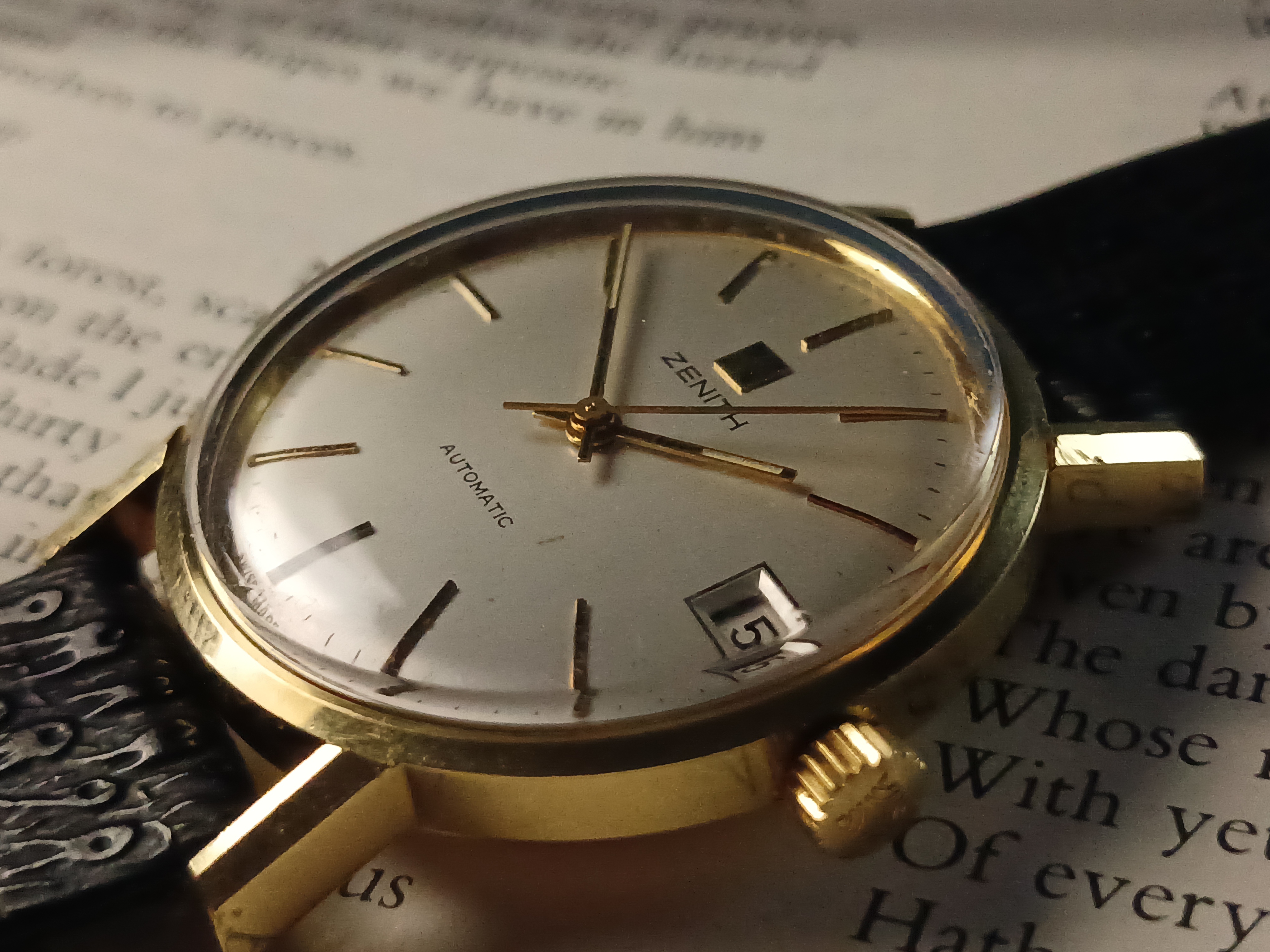
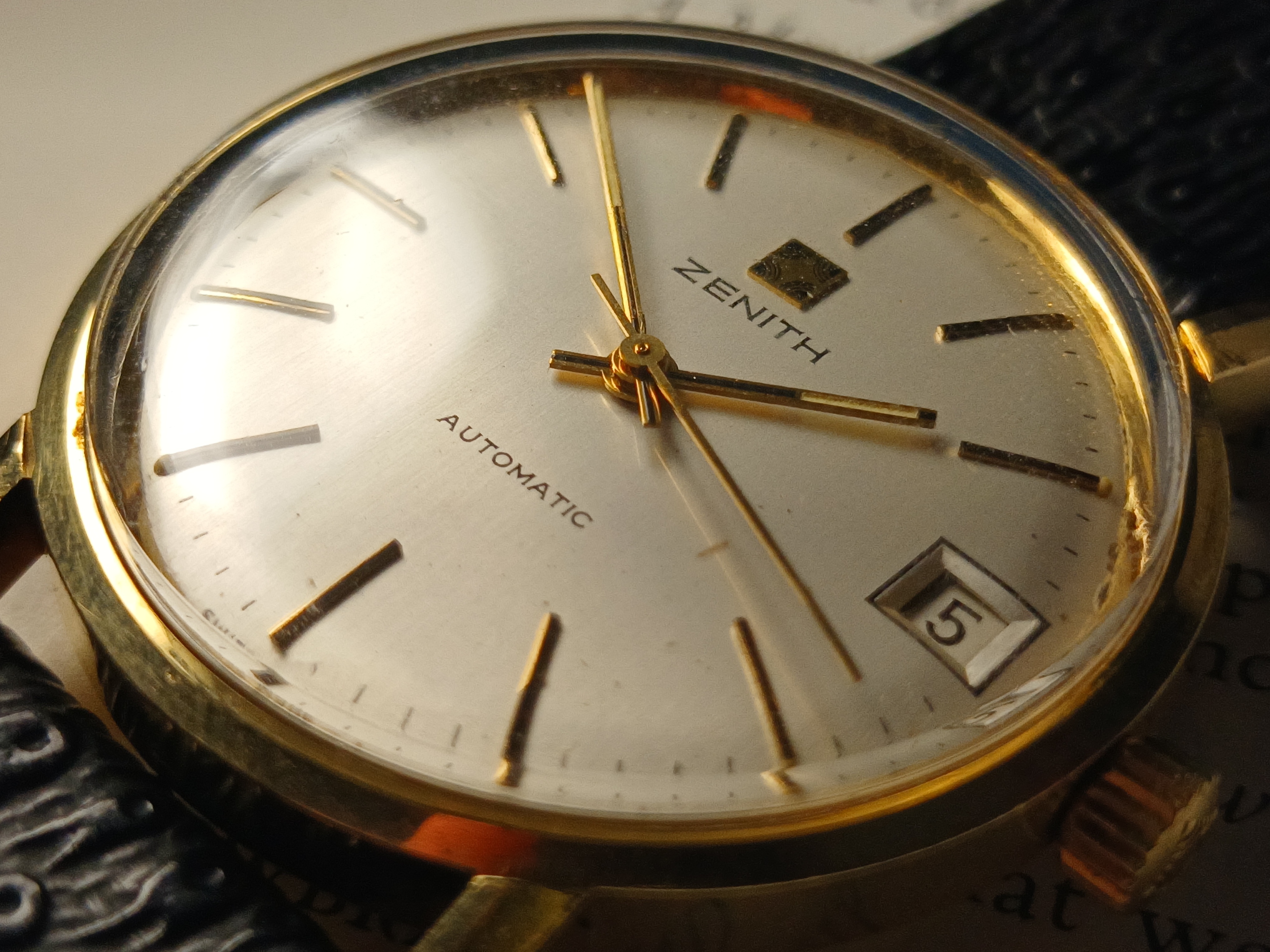


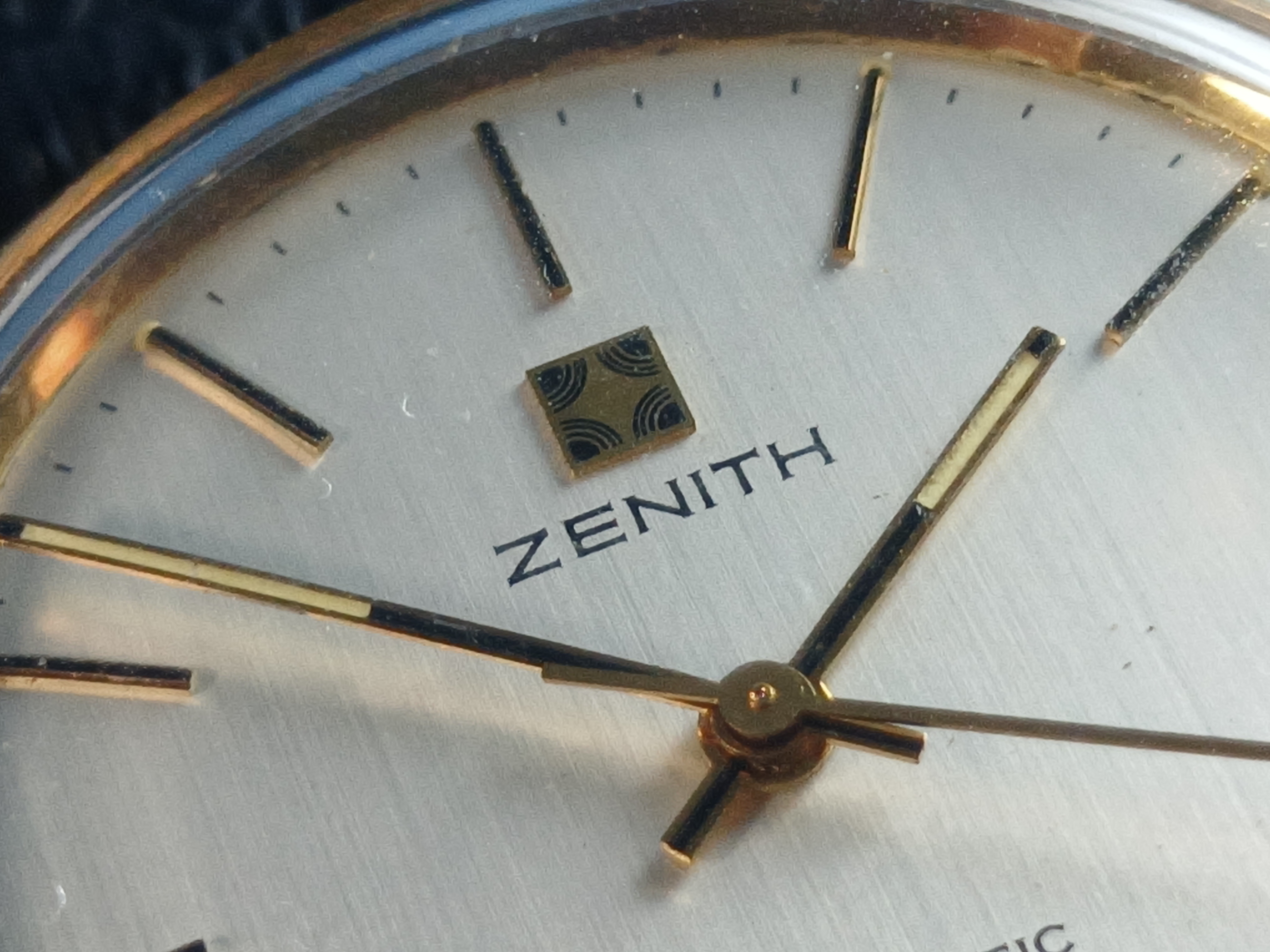
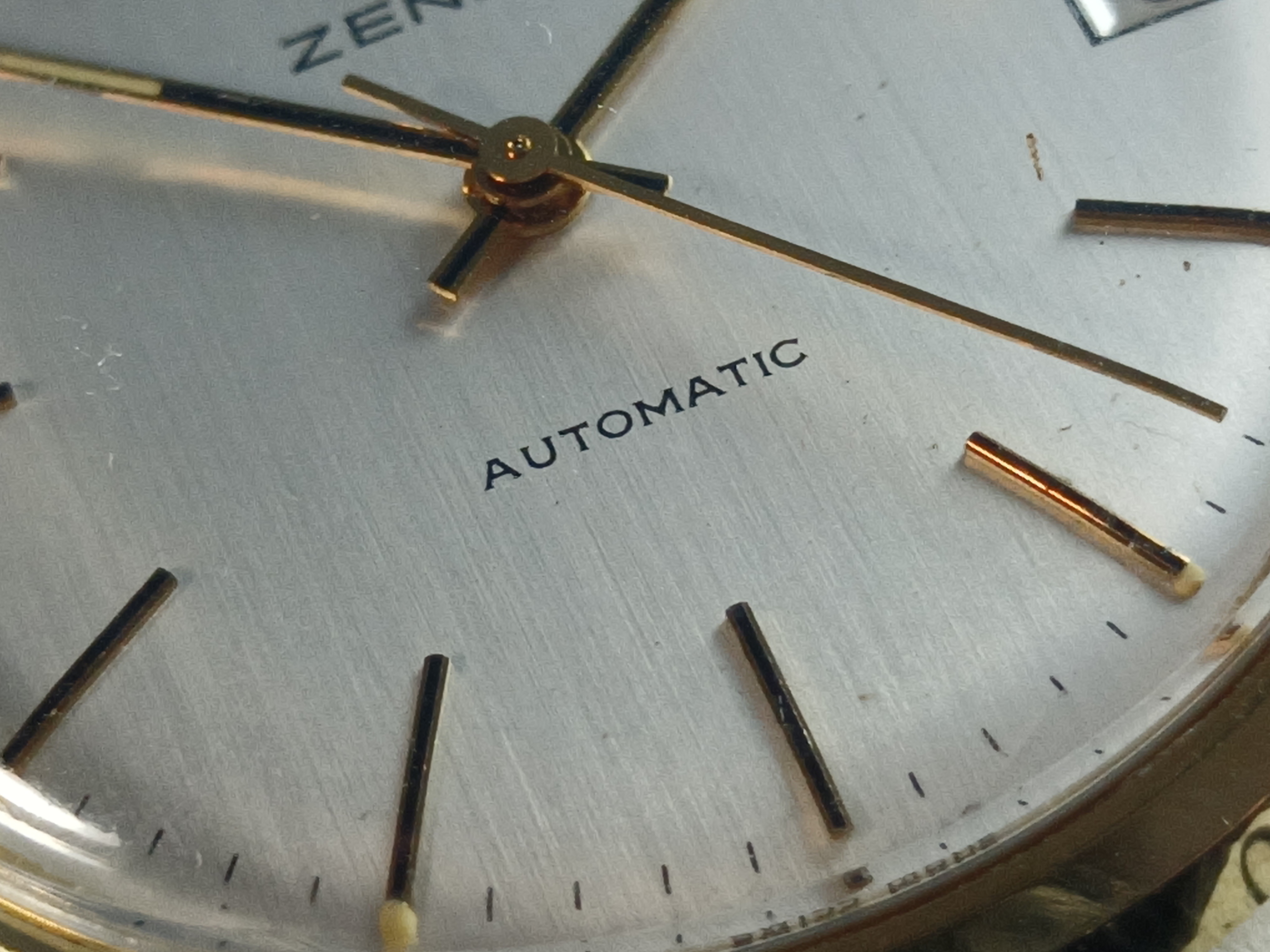


going to pass this along to Michal Kolwas. If anyone in the free world know about movements, MK is a true vintage movement WIS.
LikeLiked by 1 person
MK, reporting for duty 🙂 Unfortunately I cannot identify what I cannot see… A late 1970s-early 1980s piece would have a rotor automatic, presumably Zenith’s last in-house cal. 2572PC – after that, Zenith had a brief fling with ETA movements, before making a comeback with a series of “Elite” movements of their own design.
I reserve my right to be wrong, but if there’s something banging around inside the case, I’d say it’s a cause for concern.
LikeLiked by 1 person
Thanks for the reply, Michal. I was also thinking along the lines of the 2572PC, but, like you mentioned, it had a rotor automatic. The sound and feel of the watch as it moves around is undoubtedly a bumper weight, as it has a certain “springiness” to it and sounds quiet, not like something loose knocking about. Recently, I happened to see a Zenith Stellina with a steel case identical to this one, except that it wasn’t a monocoque design. That watch was from the ’60s. It’s unlikely, but given that service watches are sometimes “off catalogue” models, this movement could very well be from the ’60s, or the whole watch may have been bought new old stock many years before it was awarded. That doesn’t explain the high beat rate though. This one really is a mystery.
Keep well
LikeLike
I would rather lean towards “off-catalogue.” A NOS watch from the late 1950s/early 1960s wouldn’t have a dial with a post-1970 logo. Late 1970s-early 1980s were a tough time for Zenith, the lousy strategy for the brand by Zenith Radio Company nearly destroyed it – and because they were conflicted with that former owner when they broke free, for a time the US market only had Zenith-made watches branded by Movado to circumvent that obstacle. So, given their bad situation at that time, the off-catalogue theory also doesn’t feel quite right.
Zenith discontinued their bumper automatics early in the 1960s, when that system became badly outdated and obsolete, and thus they were replaced by the 25XX-series rotor auto. Using up stocks of older movements was a known practice among many brands, though I don’t think it was over 20 years. I’ll put it this way: doesn’t feel right, very unlikely, but still plausible.
The frequency also baffles me. Some bumpers, notably Tissot and Omega designs from the 1940s (28.10RA) operated at 19800 A/h, but I never heard of a bumper auto operating at what could by any stretch be called a high frequency. Zenith’s cal 133.8 was already an oddball with its frequency of 21600 A/h.
Oh, and addressing the mention of two signs it’s not the 133.8 being the frequency and presence of the date complication – the 133.8 did have a date version.
LikeLike