
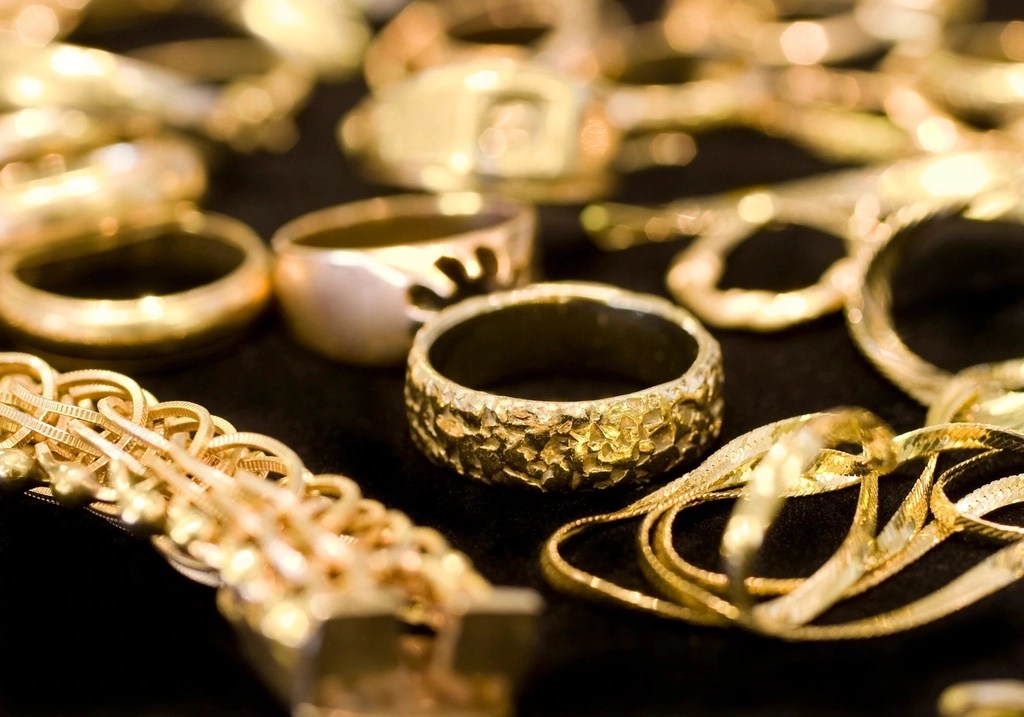
When we think about bracelets, we often default to names that Rolex imprinted on us that they used for their dive and sports watches or less sturdy ones that came on your average Seiko. Modern watch bracelets have improved significantly over the decades. There is much less risk of depilation. They are an aesthetic improvement on the flexible watch band, although those have their merits.
When I look at old watch ads I am struck by a different type of bracelet, one that looks decidedly out of place today. Before expandable bands and bonklips there was something else. Look:
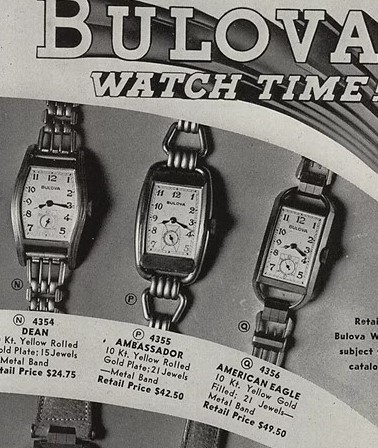
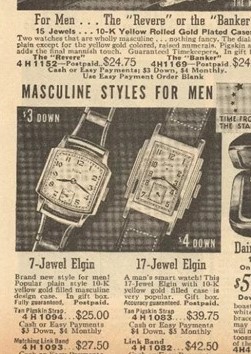
Here are the higher price Bulova and Elgin on thin dainty metal bracelets. I buy a lot of vintage watches (perhaps too many vintage watches). Most have a leather strap, no strap, or an old not quite period expandable. These old bracelets must have not made it out the 1950’s when Speidel was king. I was doom scrolling listings and something caught my eye. Oh, the watch was fine, but it was the bracelet that made me bid on it. It looked complete and functional.
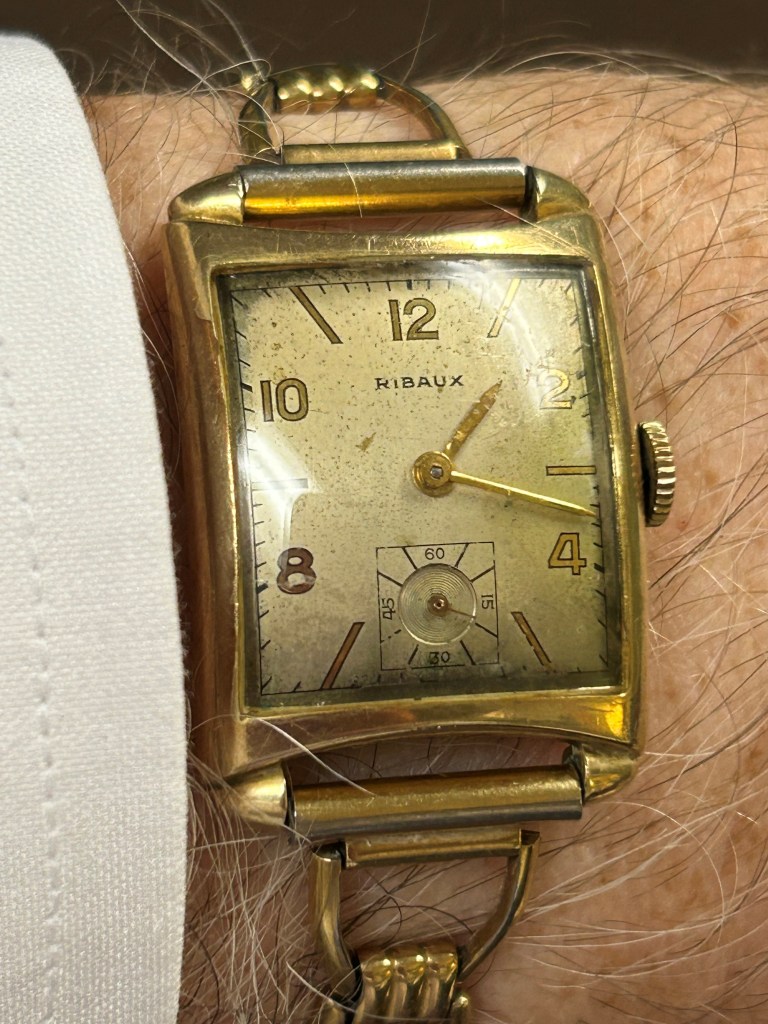
I got it and unpacked it. “Darn it, I thought, “it is too small for my perfectly sized wrist (6.75mm to compare with your “less than optimal” wrist).” And then I learned the magic of this bracelet. Part slides out to allow it to unbuckle. Sliding it in locks it in place. It is an early form of micro-adjustment.
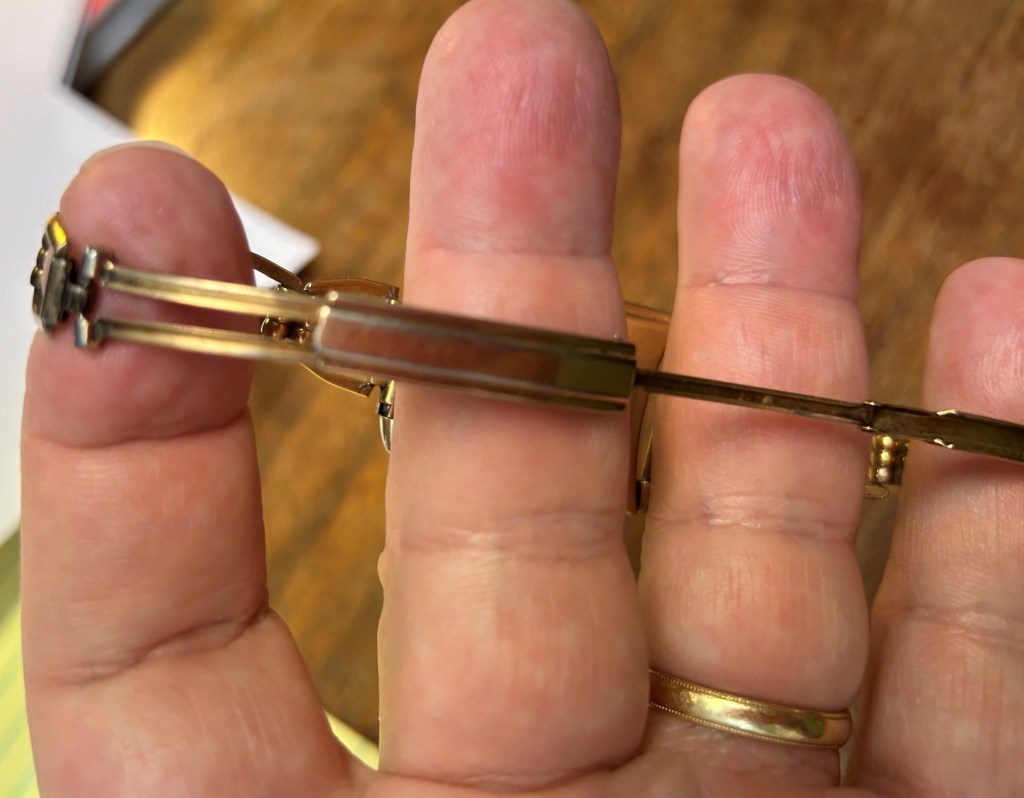

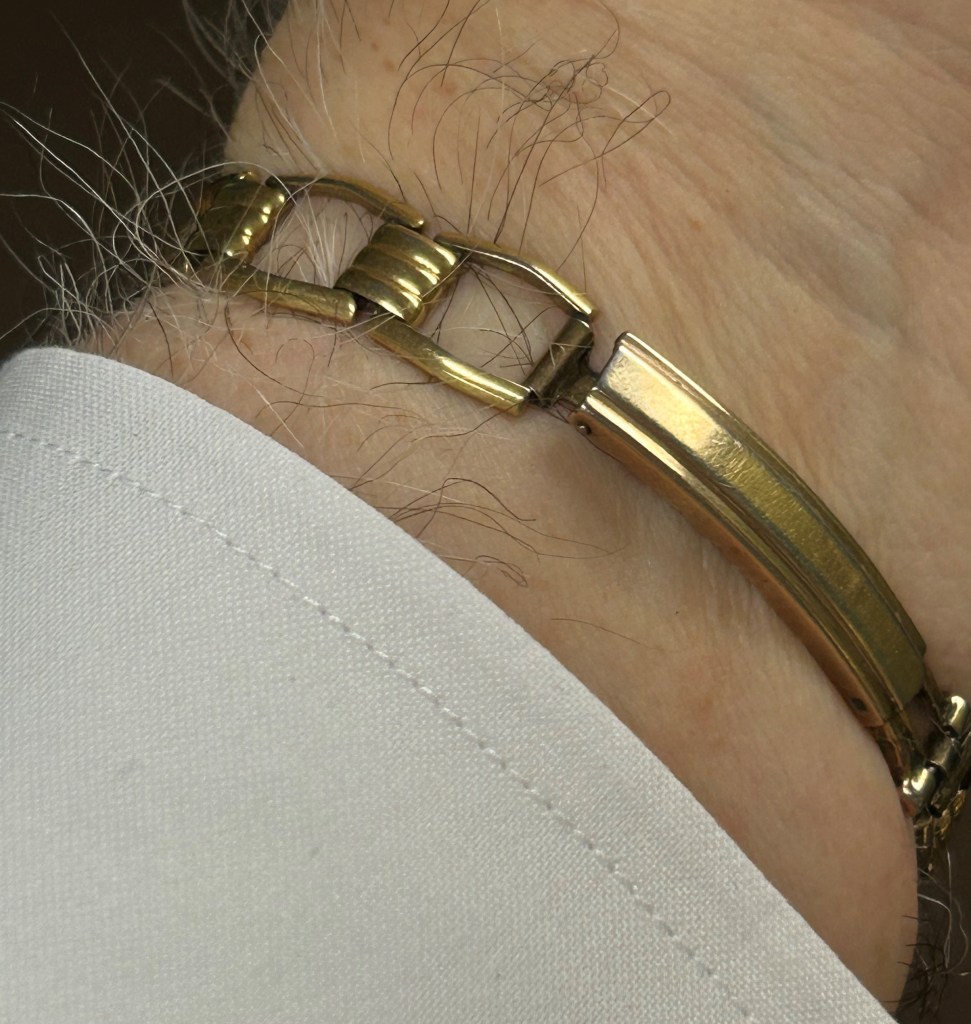
So, what is the “wrist experience”? It is the lightest bracelet that I have ever worn, ever. It feels insubstantial. It looks like jewelry. I live in a warm climate and there is nothing to trap heat. It is unlike anything that I own. The most strenuous thing that I did today was walk into a courthouse and complain to an Assistant Attorney General that their evidence in a fraud case was lacking. I will not take this on a bike ride or an especially brisk walk. It will not get wet. This type of bracelet has disappeared for men’s watches. I think that is a shame.
Well, what of the watch? Certainly, everyone knows Ribaux?

I didn’t so I did a little research in the usual places. I asked Chris. That often shakes out a few more details. It seems that Chris and I traveled the same worn grooves of internet research to have more questions than answers. Ribaux seems to have shown up on the North American market in the early 1940’s. It is called the Ribaux Watch Agency (kind of curious) and it was owned by Jean R. Graef, Inc. At that time Jean Graef was the president and part owner of Girard-Perregaux. His father Otto Graef, owner of Mimo, had bought a distressed GP in 1928. The Graef family is how GP comes down the modern age. There are many brands owned by Jean R. Graef, Inc. Ribaux may have been GP’s entry into the U.S. market like LeCoultre was for JLC. This watch has a Wadsworth rolled gold case. I will fuss with it over the coming days and see what is inside. They seem to come in both seven and seventeen jewel varieties. It is running and keeping time.
But that is not why I bought it. I bought it for the old school bling of the bracelet. Go find one. You will be surprised.
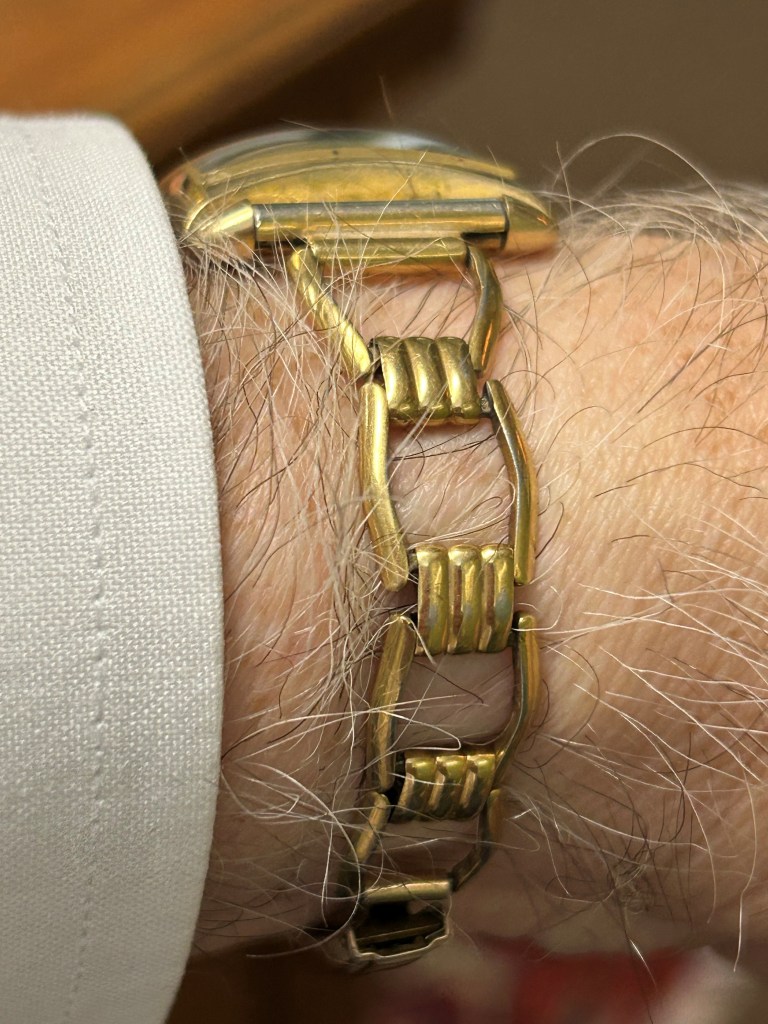
(These close up photos always make me look like a Neanderthal.)

 The Escapement Room
Interesting read Greg. I have come by these bracelets on vintage pieces. I never thought about them being for a man. Usually the men’s pieces have the good ol stretchy Speidel. Some do have their use. Not for my taste but they do. I look forward to the next read.
-Shbamn50
LikeLiked by 1 person
I had a 1920’s Elgin with that type of clasp. It was vastly superior in every way to anything made today. I’m at a loss to explain how they are not still made. I don’t feel that I can place all of the blame on the tool crowd that want’s big heavy bandolier-looking bracelets.
LikeLiked by 1 person